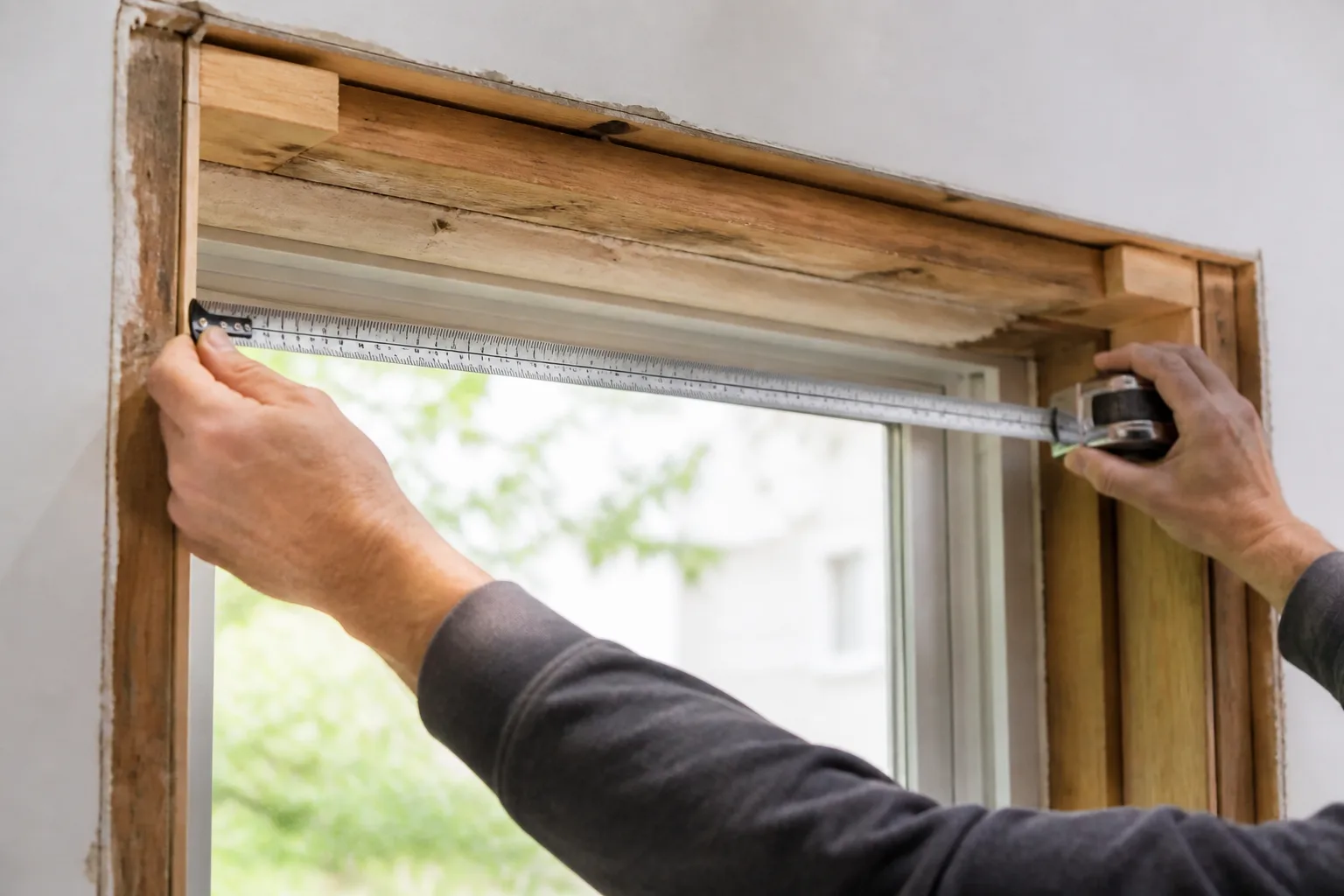
Choose insert or full-frame scope
An insert fits within a retained frame. Full-frame replacement removes the existing assembly to expose the rough opening. The correct path depends on condition, water management, frame depth and project goals.
Inspect before covering
Removal may reveal rot, corrosion, failed flashing, insect damage, uneven framing or water paths. Decide who owns repair decisions and cost before the opening is closed.
Set, fasten and weatherproof
The unit must be square, level, plumb and shimmed without distortion. Fasteners, flashing, sealants, perimeter insulation and drainage should follow the wall assembly and selected product instructions.
Finish and verify
Operate and lock every sash, inspect reveals and seals, complete exterior and interior finishes, clean drainage paths and retain labels, photos and warranty documents.
Turn the guide into a real opening schedule.
Keep every dimension, option, pressure, document, and delivery note connected to the same opening ID.
Start the configurationQuestions about this topic
Can a homeowner install custom replacement windows?
Some projects are feasible for experienced owners, but water management, structural conditions, fall protection, permits, egress, glass weight and manufacturer requirements can justify qualified installation.